Cessna or Cirrus: Which Should You Fly?
Two very different airplanes, both sitting on the same ramp. Pilots ask which one to train in, and owners ask which one to buy. The answer is not the same question twice.
The short version
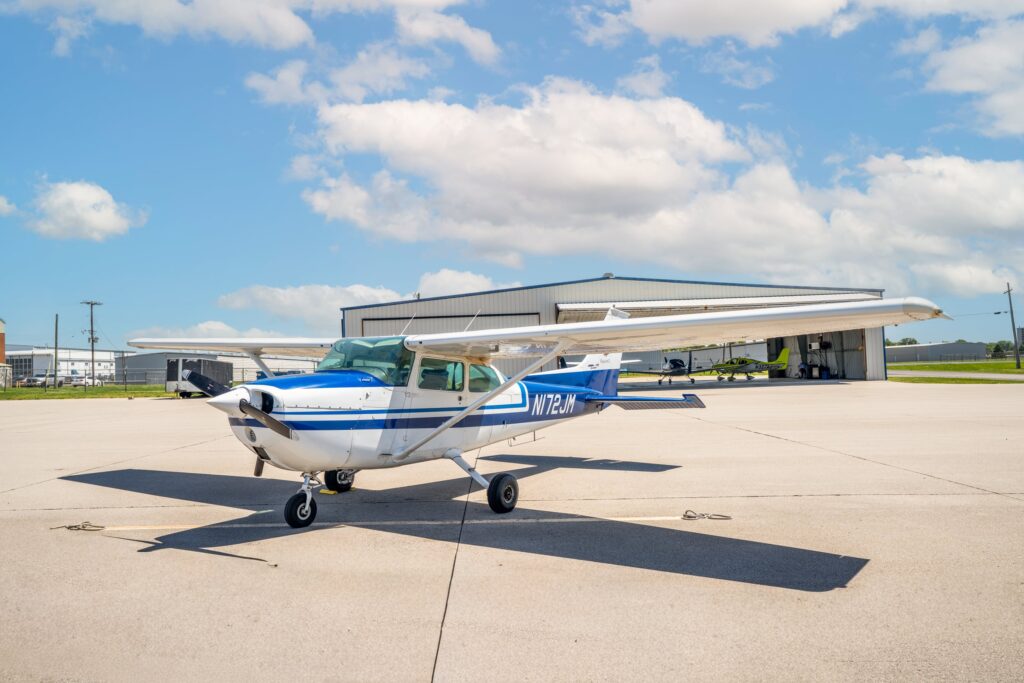
The Cessna 172 is one of the world’s most widely used training aircraft. Its familiar layout, straightforward systems, stable handling, broad instructor familiarity, and large training footprint make it a practical primary trainer.
Owners weighing either type may also want aircraft management considerations, and students comparing schools, choosing a training fleet.
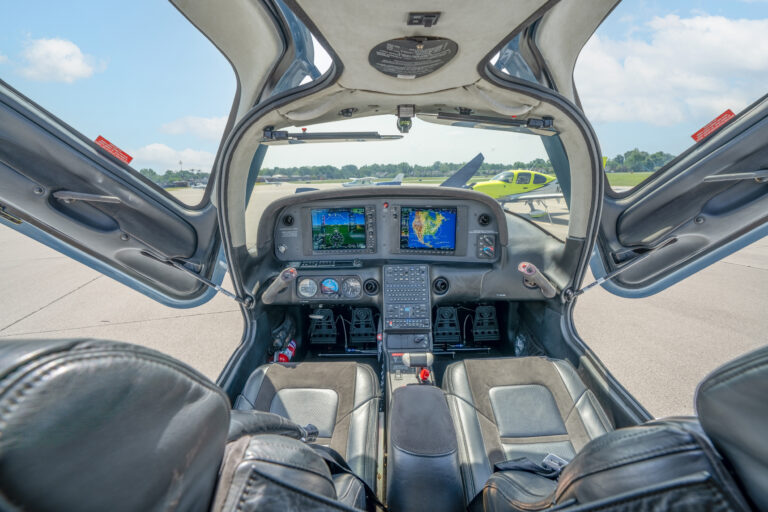
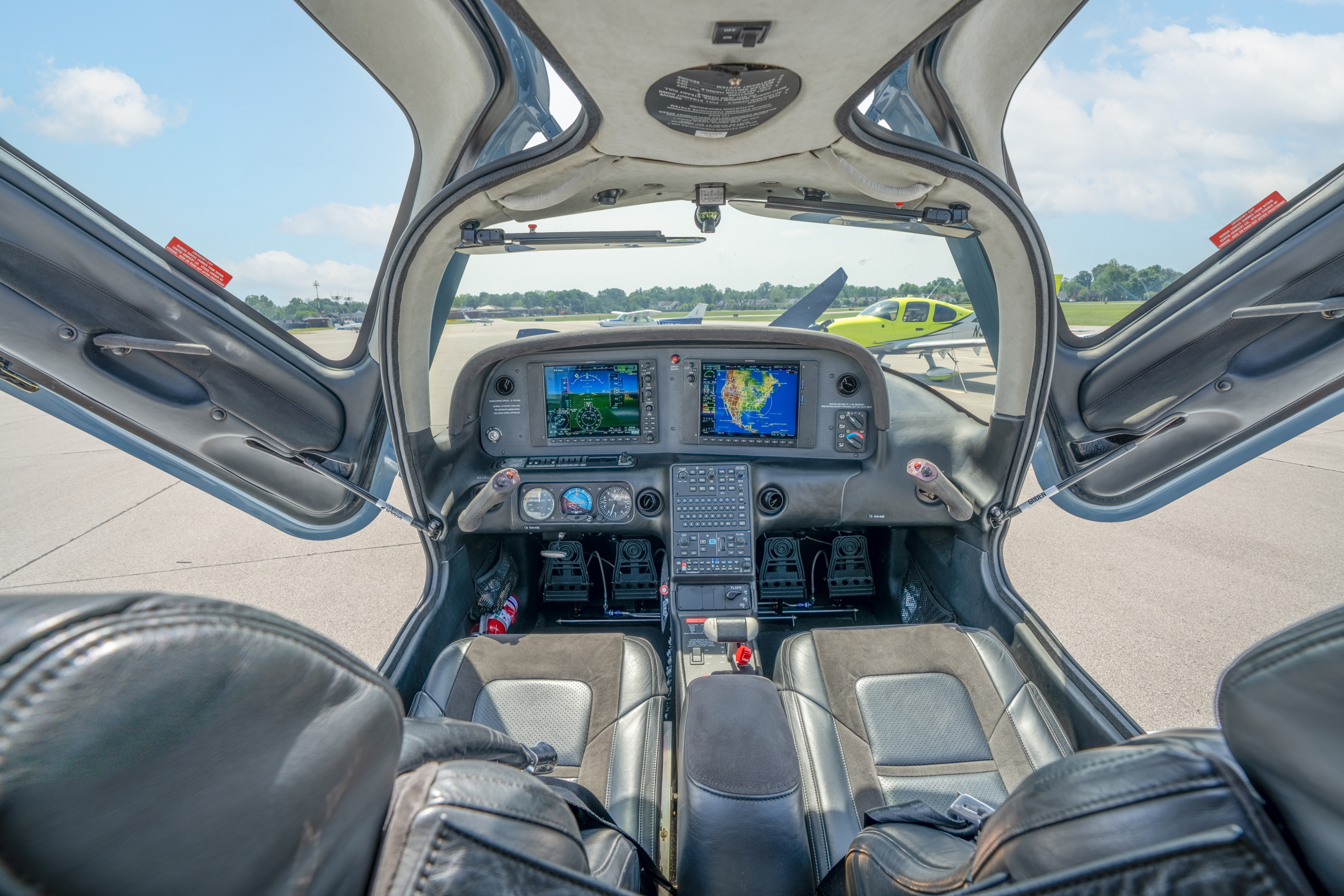
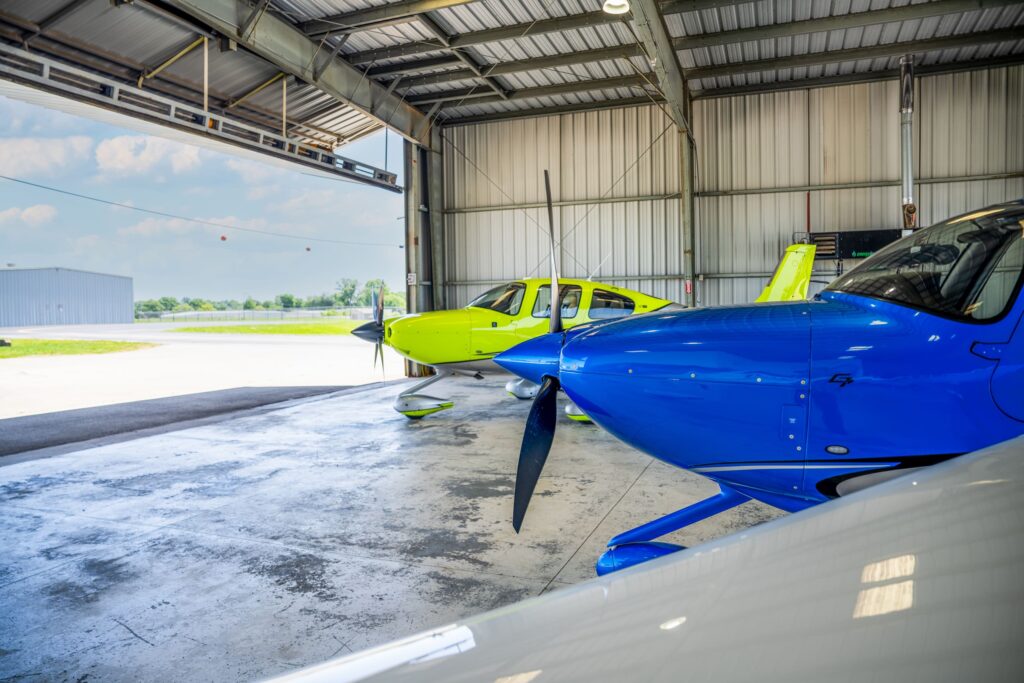
The Cirrus SR-series from Cirrus Aircraft is a modern, fast, composite airplane with a glass panel, a side-yoke, and a whole-airframe parachute.
Both the Cessna 172 and Cirrus SR Series can be excellent primary training aircraft. The right choice depends on the student’s budget, goals, preferred training environment and the type of flying they expect to do after earning their certificate.
Why students choose the Cessna 172
- Lower hourly operating cost. It tells across the many early hours spent on air work and landings rather than covering ground.
- Straightforward systems. They allow students to concentrate on fundamental aircraft control, visual references, procedures and decision-making, and those habits transfer to everything you fly afterwards.
- Because the type is widely used, pilots can often find instructors, rentals, and maintenance familiarity in many markets. Availability still varies by operation.
- Stable handling. Its established training characteristics make it well suited to primary instruction.
- High wing, better view down. Which matters when you are learning to navigate by looking outside.
Why students choose the Cirrus SR Series
Training in a Cirrus allows a student to build fundamental flying skills while also becoming familiar with modern avionics, automation, systems management, side-yoke controls and CAPS. It can be especially relevant for students who expect to own, rent or travel in Cirrus aircraft, but ownership is not required to begin training in one.
- You already own one, or you are buying one. Then learning in the aircraft you will fly is efficient. The alternative is training in a 172 and then doing transition training anyway.
- You want the glass panel from day one. Modern avionics are a skill in themselves and there is an argument for starting fluent rather than converting later.
- You are heading straight into serious cross-country flying. If the whole point is cross-country flying with a family, the extra early cost buys directly relevant experience.
A Cirrus Aircraft model is higher performance and brings a different avionics, automation, systems, and energy-management workload. A new pilot can learn those skills, but the training plan should account for the aircraft’s speed and cockpit workflow.
What the parachute actually is
The Cirrus Airframe Parachute System, or CAPS, is a whole-airframe emergency parachute installed as standard equipment on Cirrus certified aircraft. It is part of the aircraft’s emergency system, not a substitute for planning, proficiency, weather judgment, or the procedures in the current pilot’s operating handbook.
Cirrus training includes scenario-based decisions about when CAPS use may be appropriate. Pilots should train for those decisions before an emergency rather than treating deployment as a simple last-second option.
It is not a substitute for airmanship, and it is not a reason to fly into conditions you should not be in. CAPS is an emergency system that requires specific training and timely decision-making. Cirrus training teaches pilots to recognize situations in which deployment may be appropriate and to act in accordance with the aircraft’s current procedures and operating limitations.
Transition training is not optional in practice
Transition training is a normal and important part of moving into Cirrus Aircraft. Insurance requirements vary by pilot, aircraft, use, and underwriter, and may include transition training, recurrent training, or make-and-model experience. Confirm the actual requirements with the insurer.
The transition is not about learning to fly again. It is the avionics, the side-yoke, the speed, the systems and the parachute decision, and it goes faster than people expect once they stop treating it as a bigger airplane and start treating it as a different one.
Cardinal Wings is a Cirrus Training Center (CTC) flying the SR20 G6, SR22T G6 and SR22 G7+. We provide Cirrus transition training for exactly this step, and Cessna 172 rentals for pilots staying with the type.
The high wing and low wing question
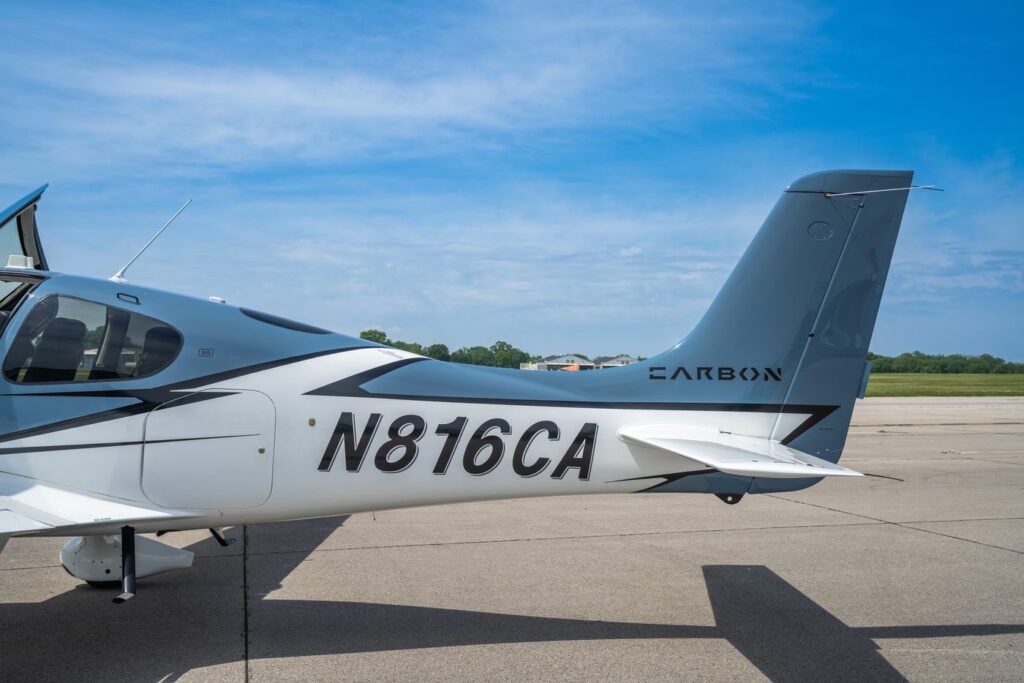
Less important than people think, and mostly a matter of what you want to see. High wing gives you a better view downward, shade on the ramp and shelter when it rains. Low wing gives you a better view in a turn and easier fueling. Pilots move between them constantly without difficulty.
What we would actually tell you
Start with the aircraft that best fits your goals and allows you to train consistently. The Cessna 172 offers a traditional and cost-conscious path. The Cirrus SR Series offers primary training integrated with modern avionics, automation and cross-country capability. Neither choice is automatically right for everyone, and our team can help you compare them without pushing you toward one aircraft.
If you would like to feel the difference before you decide, ask the front desk about flying each of them.
If you have already bought a Cirrus, training in that aircraft is the efficient choice.
Our Cirrus transition training page covers what that course involves. If you want to talk through which aircraft fits what you are actually planning to do, call the front desk on (502) 452-2115.
References: Cirrus Aircraft transition training
Moving into a Cirrus?
Transition training covers the avionics, the side-yoke, the speed and the parachute decision. Your insurer may require specified transition training, recurrent training or make-and-model experience. Confirm the requirements for your aircraft and intended use directly with the insurer.
See Cirrus transition training